Lighting Decisions We Would Make Again in Every Singapore Home
Every project we take on teaches us something, but lighting is the one area where the same lessons keep proving themselves true, project after project. These are not trends we are chasing. They are decisions that quietly hold up, long after the renovation dust settles and you are simply living in the space.
If you are planning your own home lighting design, here are the choices we would make again without hesitation, and the reasoning behind each one.
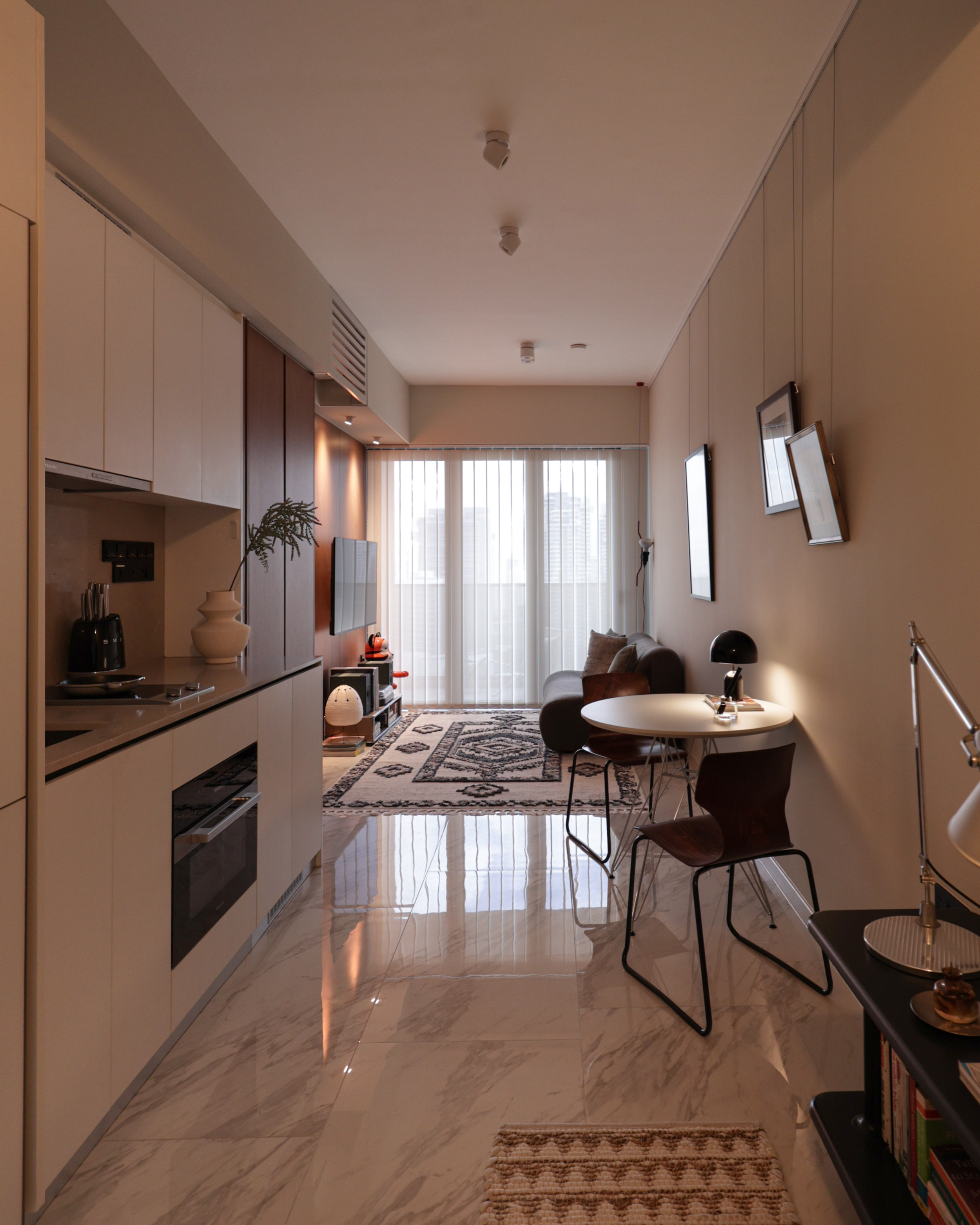
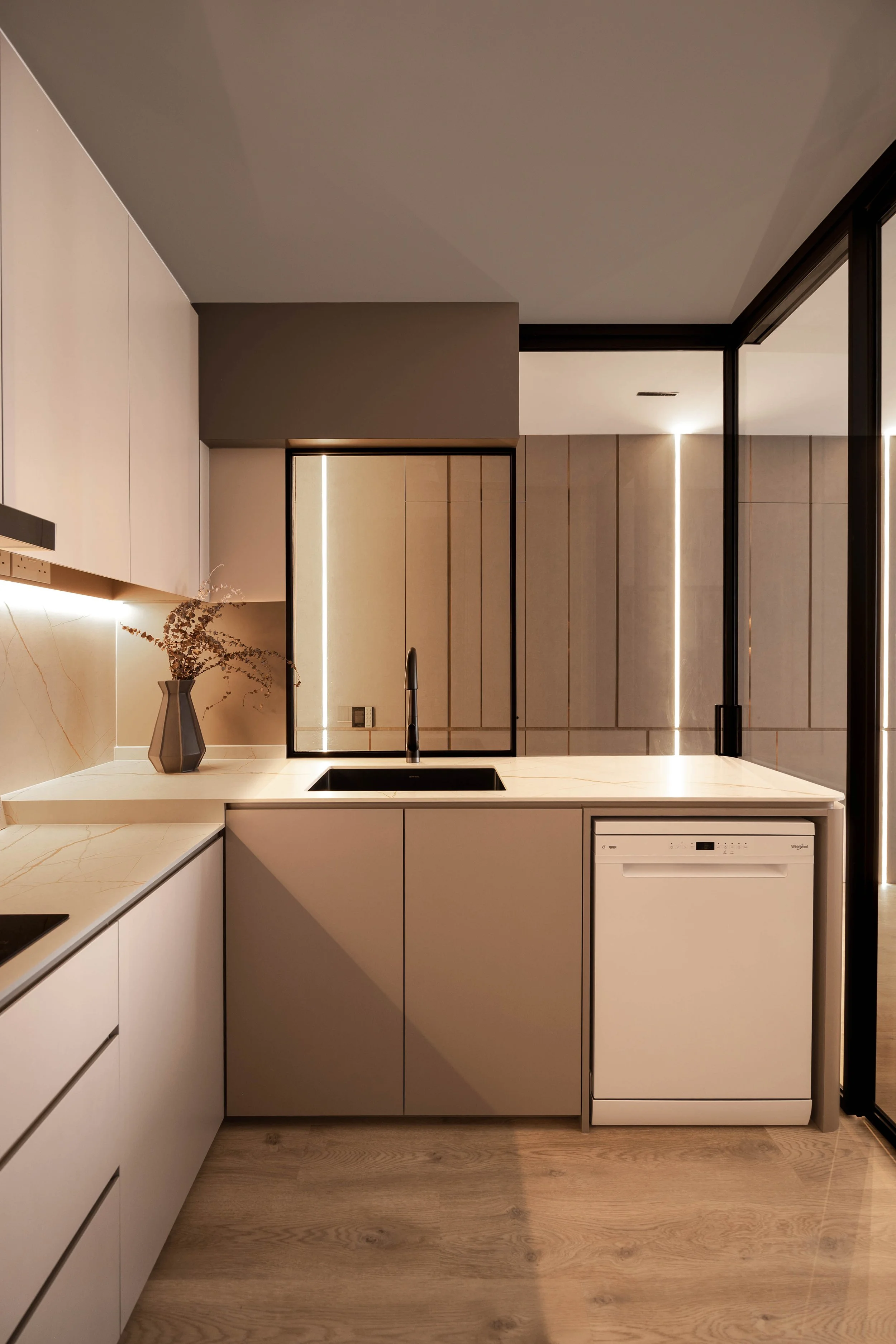
Warm Bulbs Throughout, Daylight White Stays in the Kitchen
This is one of the simplest rules, yet it changes how a whole home feels. Warm bulbs in every living space create a sense of comfort the moment you walk in, while daylight white is reserved for the kitchen, where you need clarity for prepping and cooking.
Mixing these two temperatures across a home, even unintentionally, is one of the quickest ways to make a space feel disjointed. Keep warmth consistent everywhere except where function demands clarity.
A Dimmer on the Dining Light
A dimmer on your dining light is a small fitting with an outsized effect. Turn it down and dinner becomes a different experience altogether, slower, calmer, more intentional. Keep it bright during the day for homework or everyday meals, then bring it down in the evening when the table becomes a place to linger.
It is a detail many homeowners skip because it feels like an unnecessary upgrade. In practice, it is one of the lowest cost changes that delivers the most noticeable shift in how a room feels.
Three Light Sources Per Room, Minimum
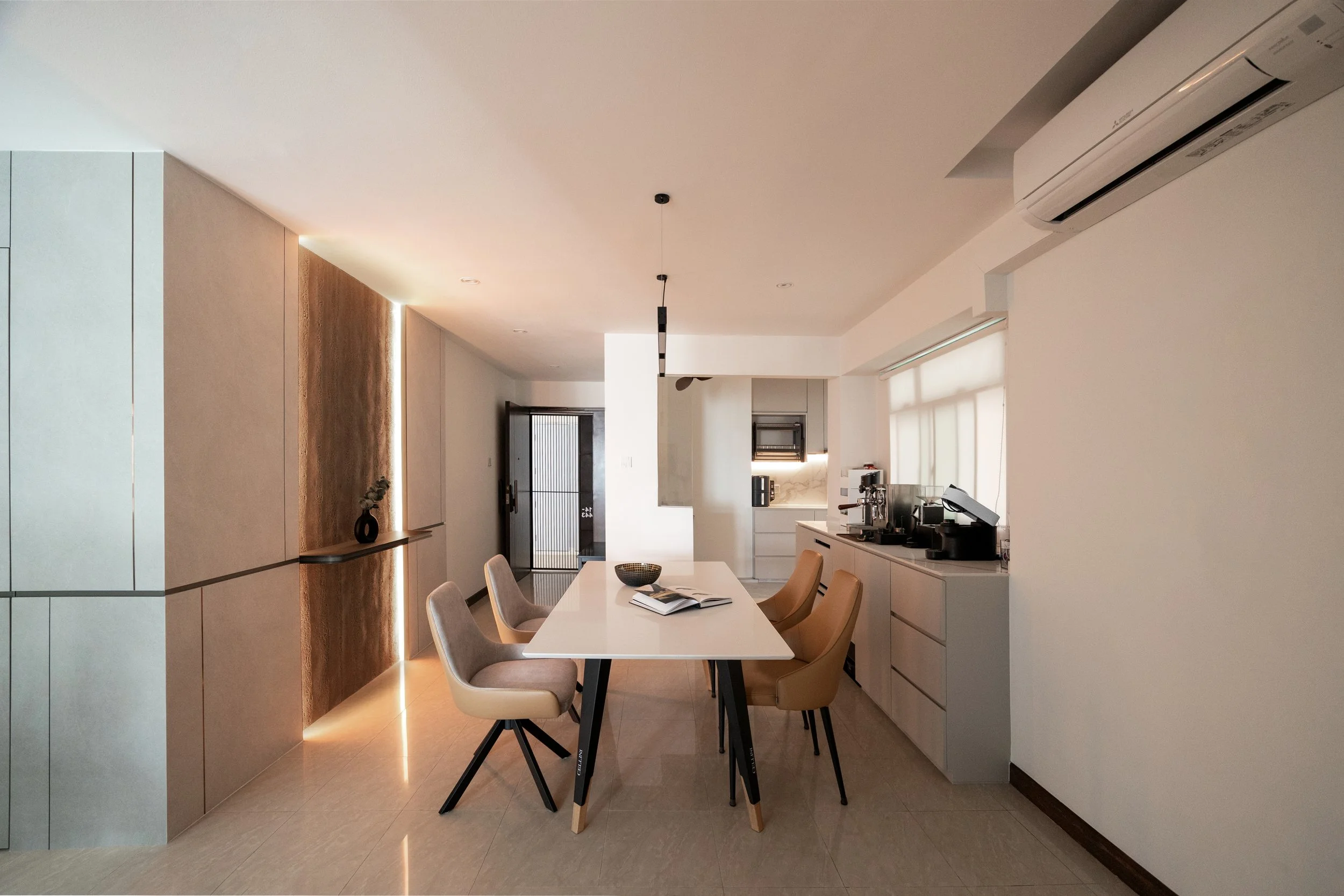
A single ceiling light is never enough, no matter how bright it is. Every room should have at least three light sources working together, ambient lighting for general illumination, task lighting for specific activities, and accent lighting to add depth and interest.
This layered approach is the foundation of good home lighting design in Singapore homes right now, and for good reason. A room lit by one source alone always feels flat, no matter how well everything else is designed.
Light the Wall, Not Just the Room
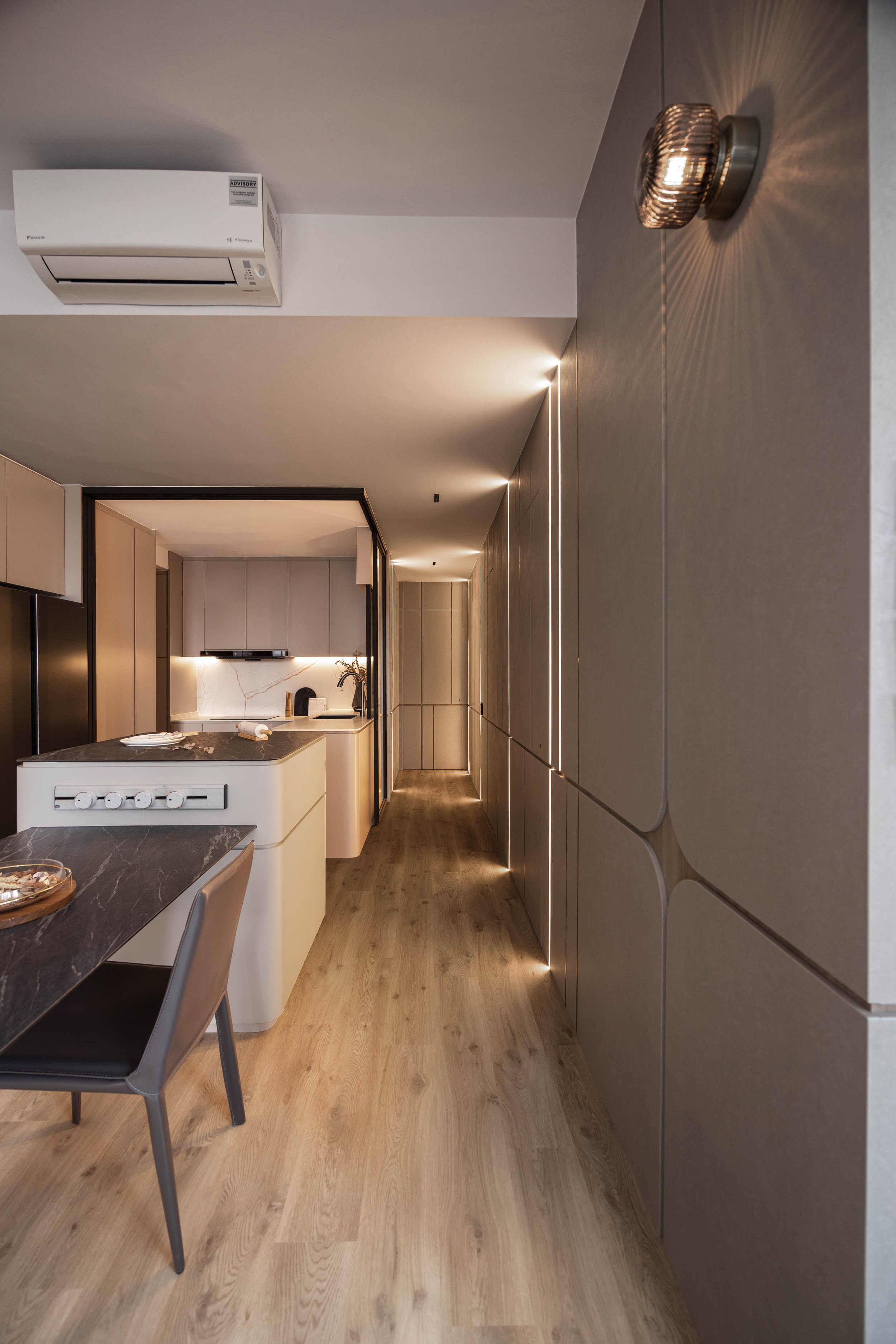
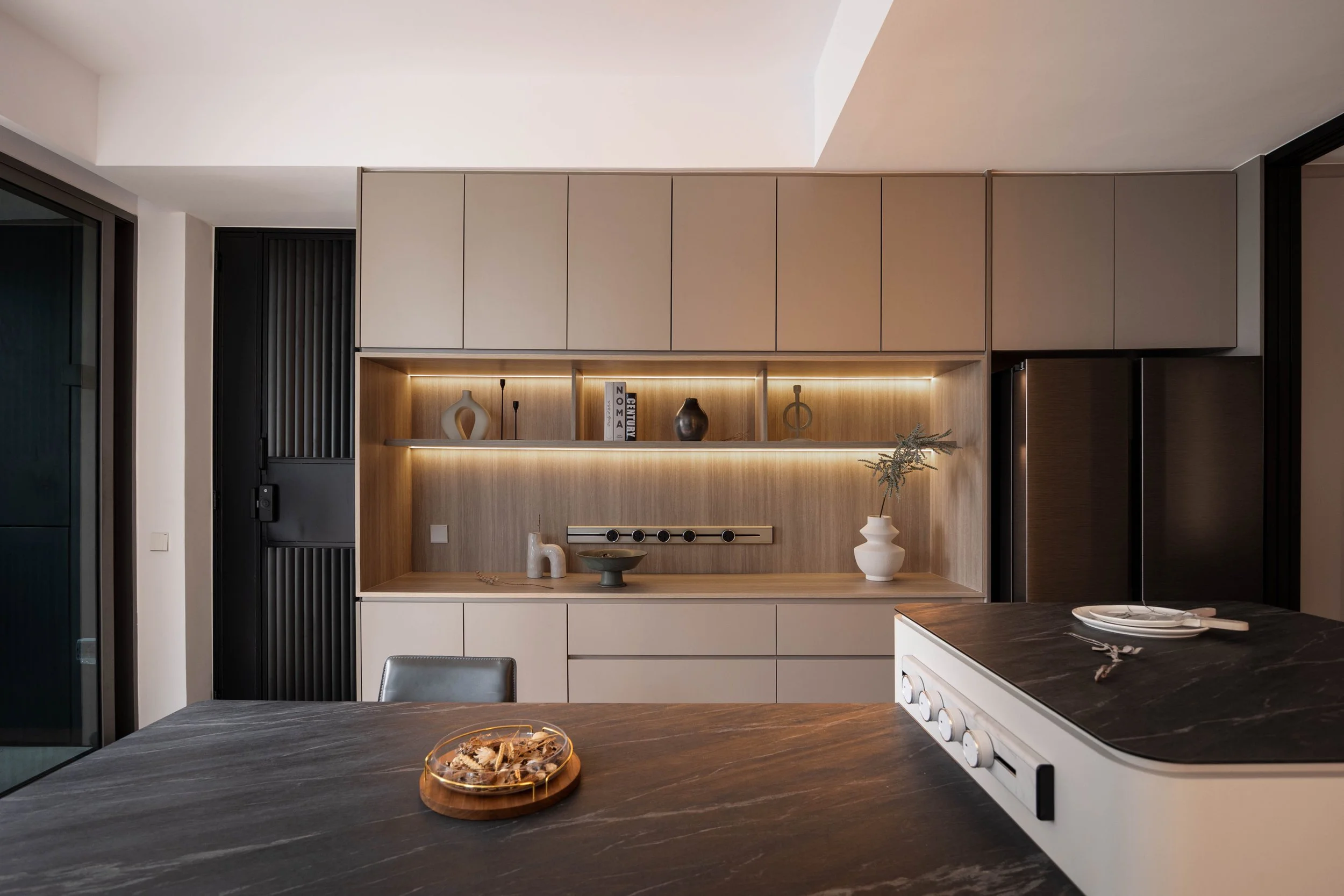
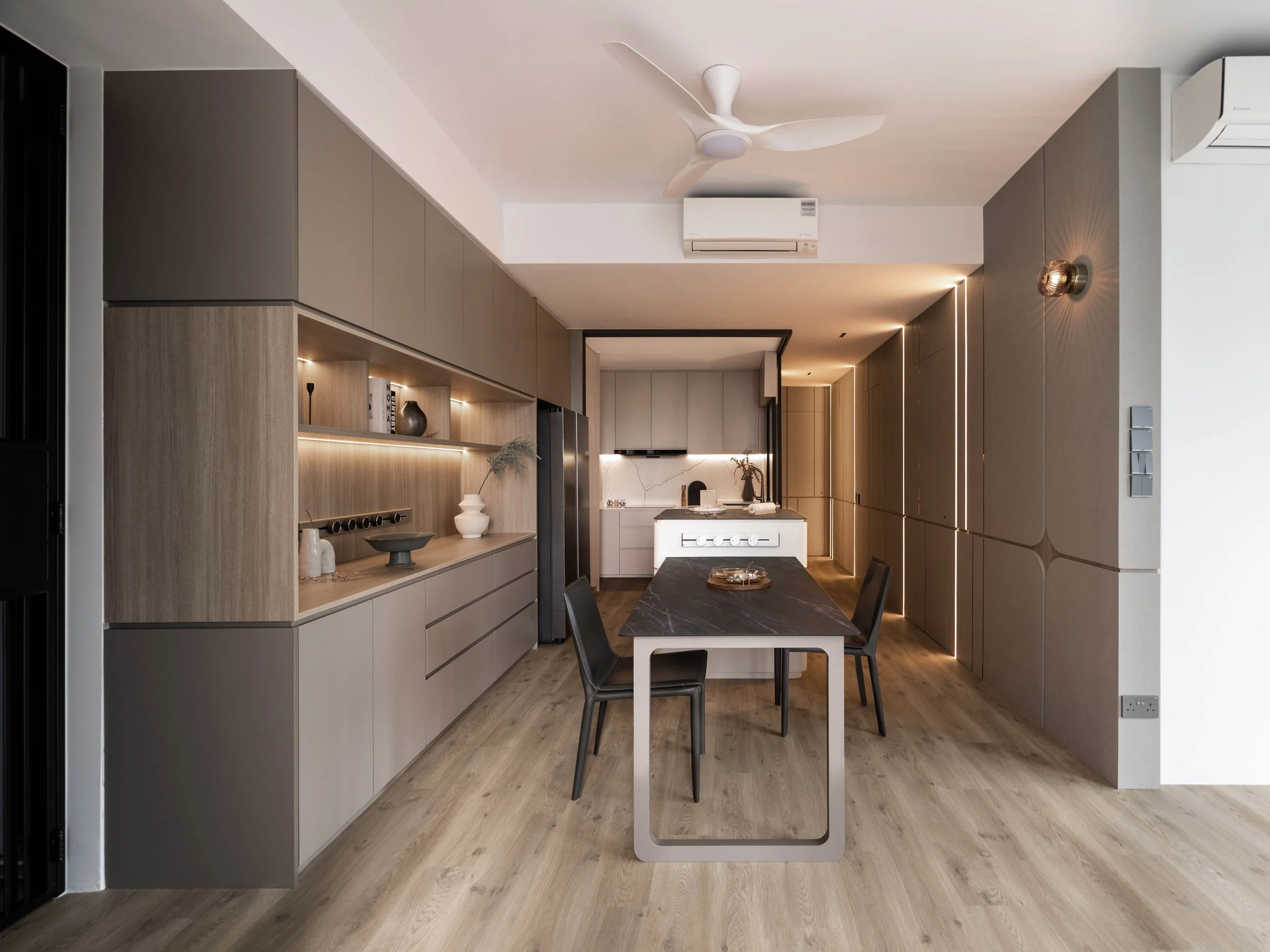
Flat light kills texture. If your walls, feature panels or cabinetry have any kind of grain, pattern or dimension, lighting the wall directly, rather than simply flooding the room from above, brings that texture to life. Wall washing, cove lighting and vertical strips all serve this purpose well.
This is especially worth considering if you have invested in textured finishes or statement carpentry. Without the right lighting, those details simply disappear into the background.

Pendant Low Over the Table
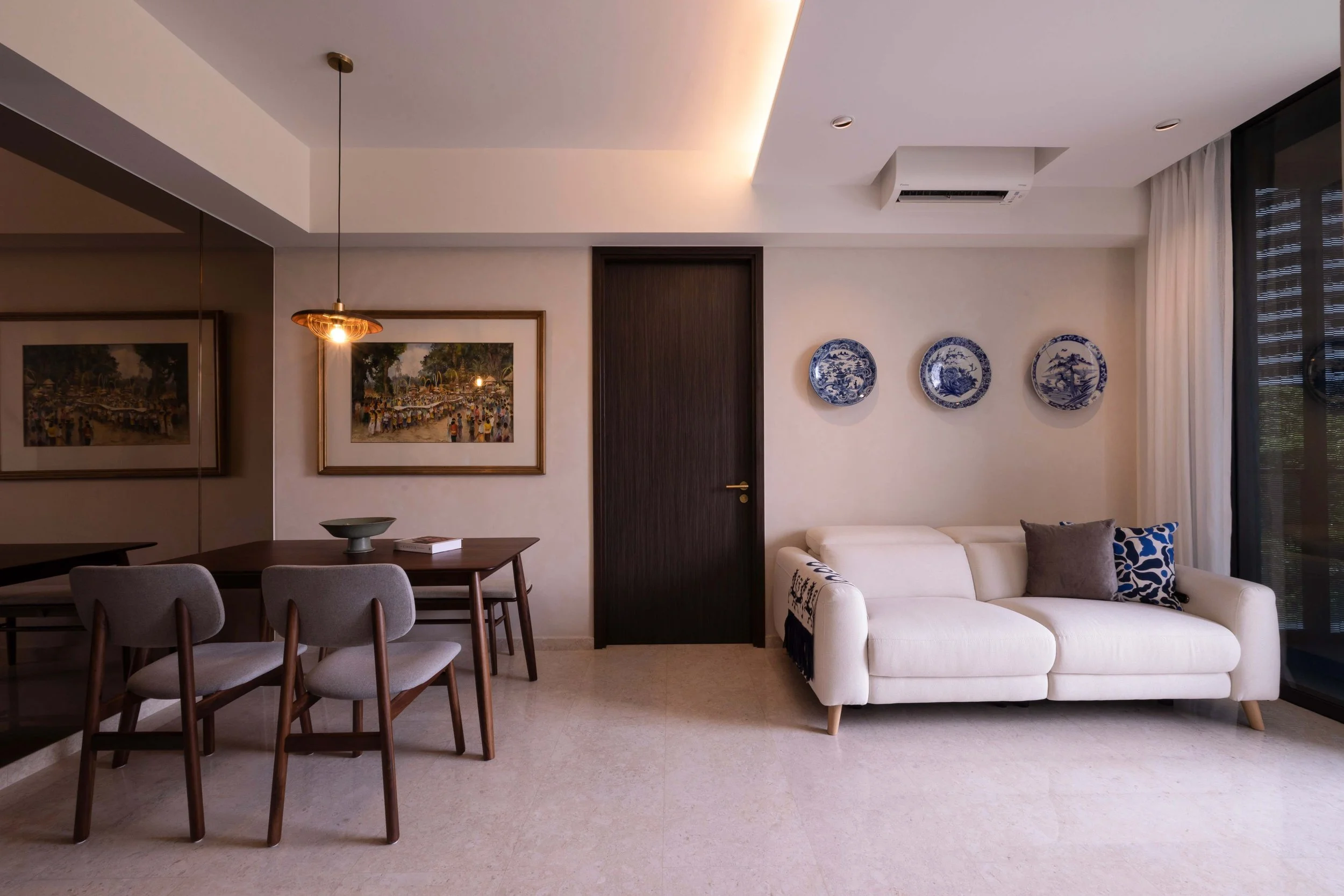
A pendant hung over your dining or console table should feel closer than you expect. Hung too high, it loses its sense of intimacy and starts to compete with the ceiling lighting instead of complementing it. Hung at the right height, it draws the eye down, anchors the space, and makes the table feel like a considered focal point rather than an afterthought.
Bright, Even Light Only Where You Work
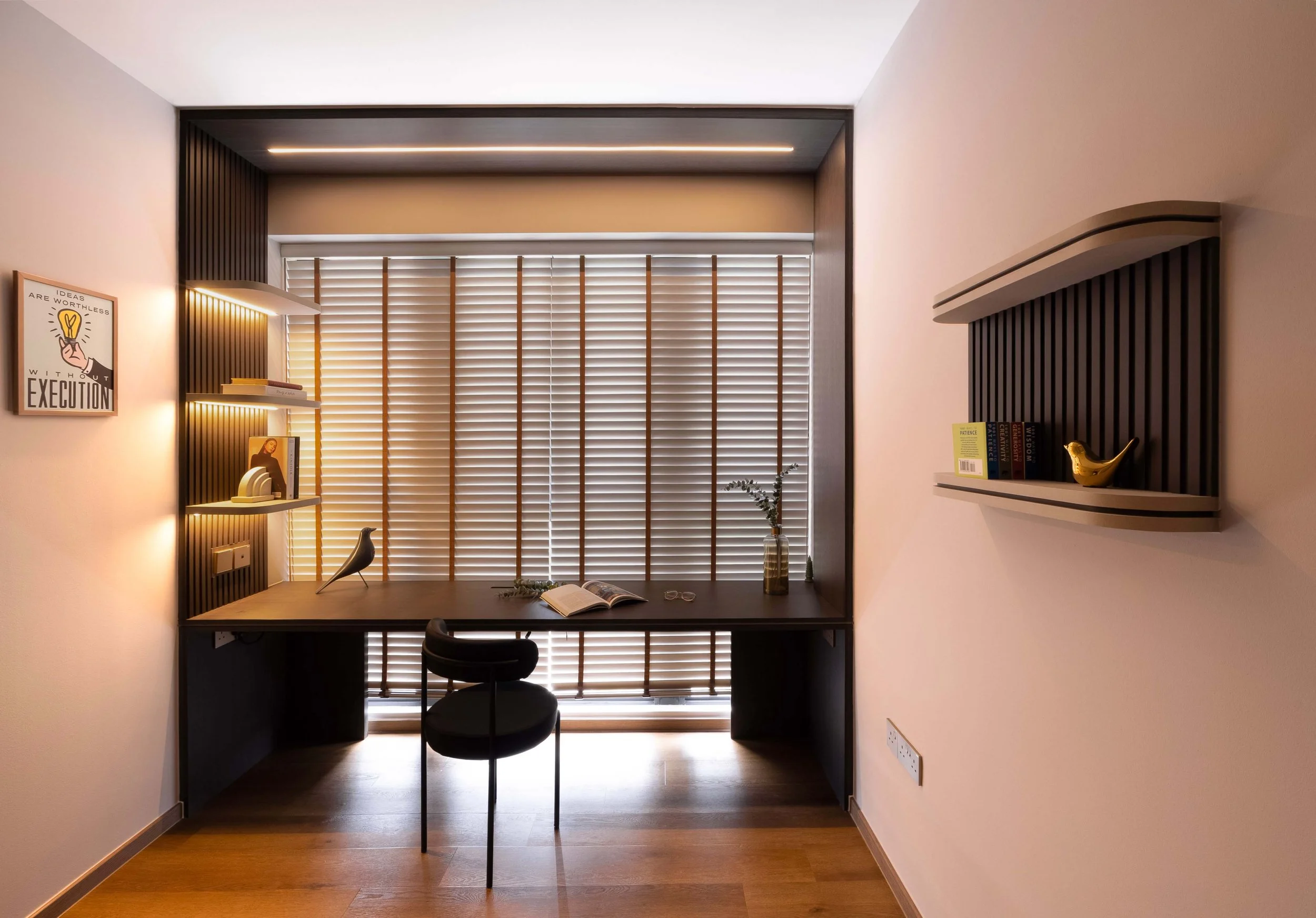
Counters, vanities and desks all deserve bright, even, focused lighting, because these are the spots where precision matters, chopping, applying makeup, reading fine print on a document. But that same brightness does not need to spill into the rest of the room.
Keeping task lighting contained to where it is actually needed lets the rest of the space stay softer and more relaxed, instead of washing the whole room in the same harsh brightness.
Save This Before Your First Lighting Plan Meeting
Lighting tends to get finalised late in a renovation, almost as an afterthought once the bigger decisions around layout and carpentry are locked in. We would encourage you to flip that order. Walk through each room before your first lighting plan discussion and ask yourself a few honest questions. Where do you actually sit to read. Where do you prep food. Where do you want the room to feel warmer in the evening, and where do you need it to stay sharp and functional.
Bringing these answers into your first meeting means your lighting gets planned around how you actually live, not around a generic layout applied to every home the same way.
Good Lighting Is Rarely About More Fixtures
If there is one thread running through all of this, it is that good home lighting design in Singapore is almost never about adding more fixtures. It is about layering light with intention, choosing the right temperature for the right purpose, and being deliberate about where brightness belongs and where it does not.
These are the decisions we would make again on every single project, because they are the ones homeowners notice, even if they cannot always explain why a room suddenly feels right.
Recent Blogs
Ready to start your home renovation journey? Contact us today to kickstart the process with a team of professionals who will guide you every step of the way!