Why Electrical Points Are a Layout Decision, Not an Afterthought
During our initial discussions with homeowners, we don't just ask where you want a socket. We ask how you actually live in your home. Do you charge your phone while you're already in bed? Do you prefer to blow dry your hair in the bathroom, or at a vanity outside? Small questions like these tell us far more than a generic checklist ever could.
Power points in Singapore renovations tend to get treated as a technical checklist, something your contractor fills in near the end. But electrical points shape how comfortable a space feels to use every single day. Get them right and you won't notice them at all. Get them wrong and you'll be reaching under a table, stretching an extension cord across a counter, or wishing you had planned differently, for years after your renovation is done.
So before your electrical plan gets finalised, let's walk through a few real scenarios I bring up with clients, room by room.
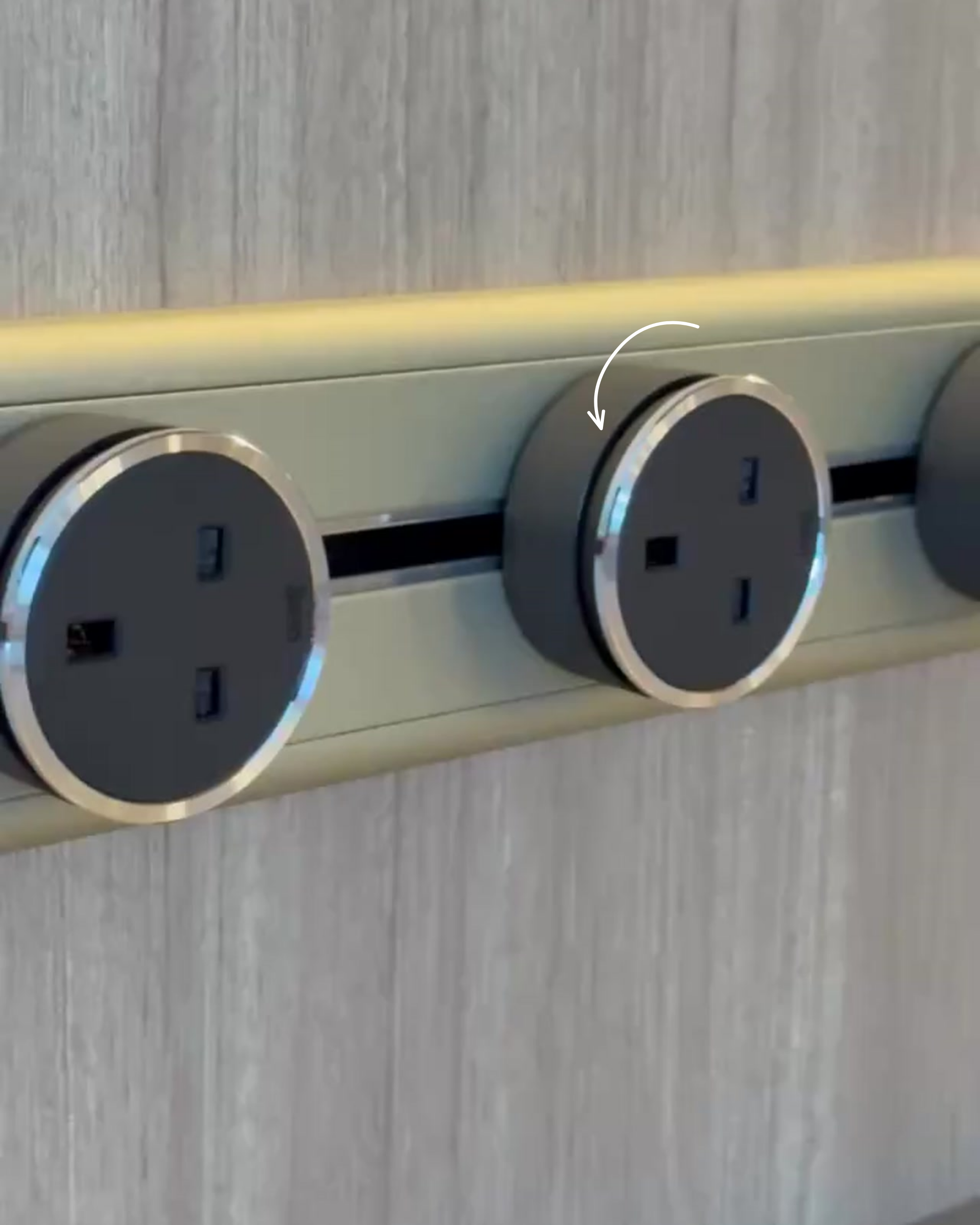
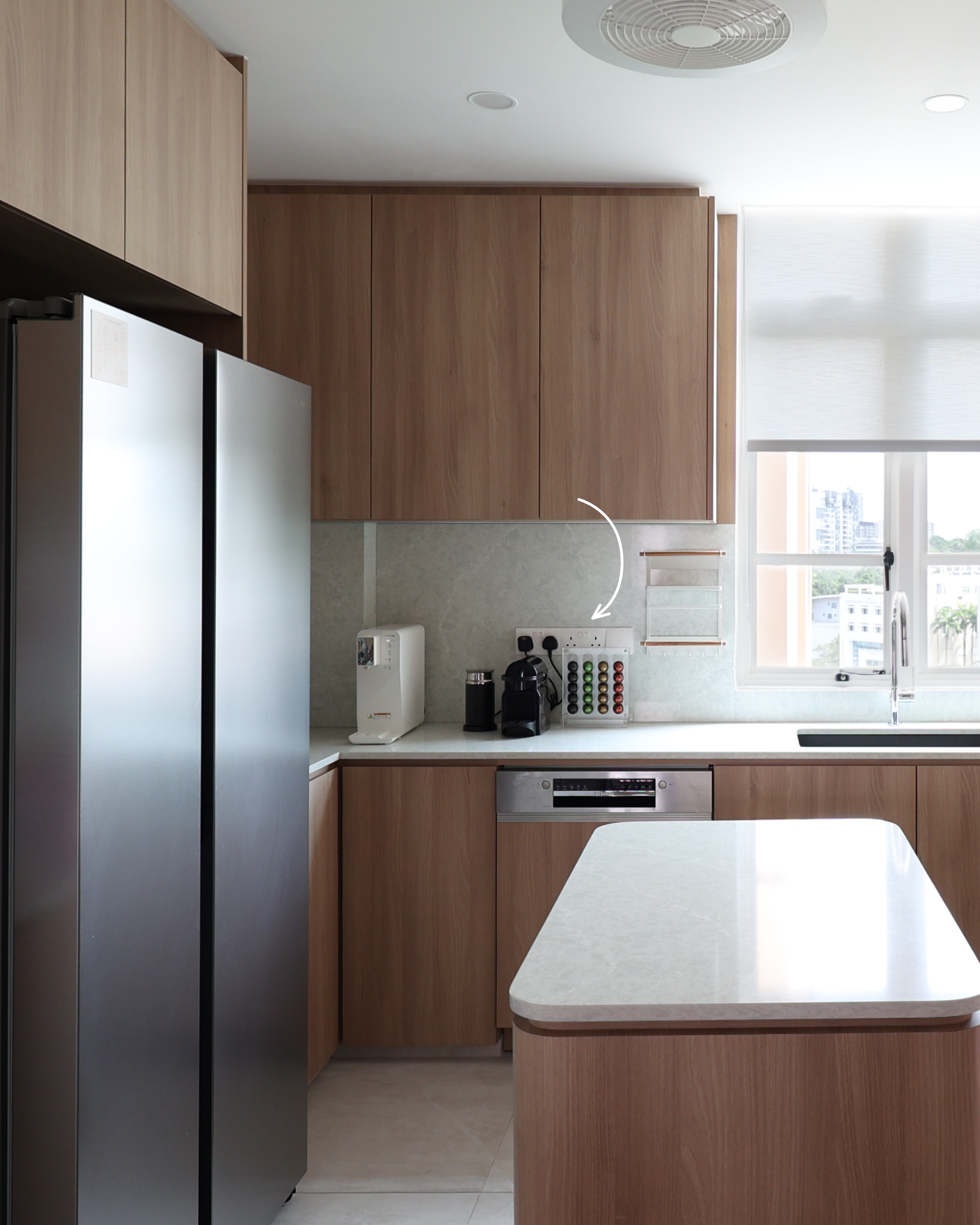
In the Kitchen, Think About How You Actually Cook
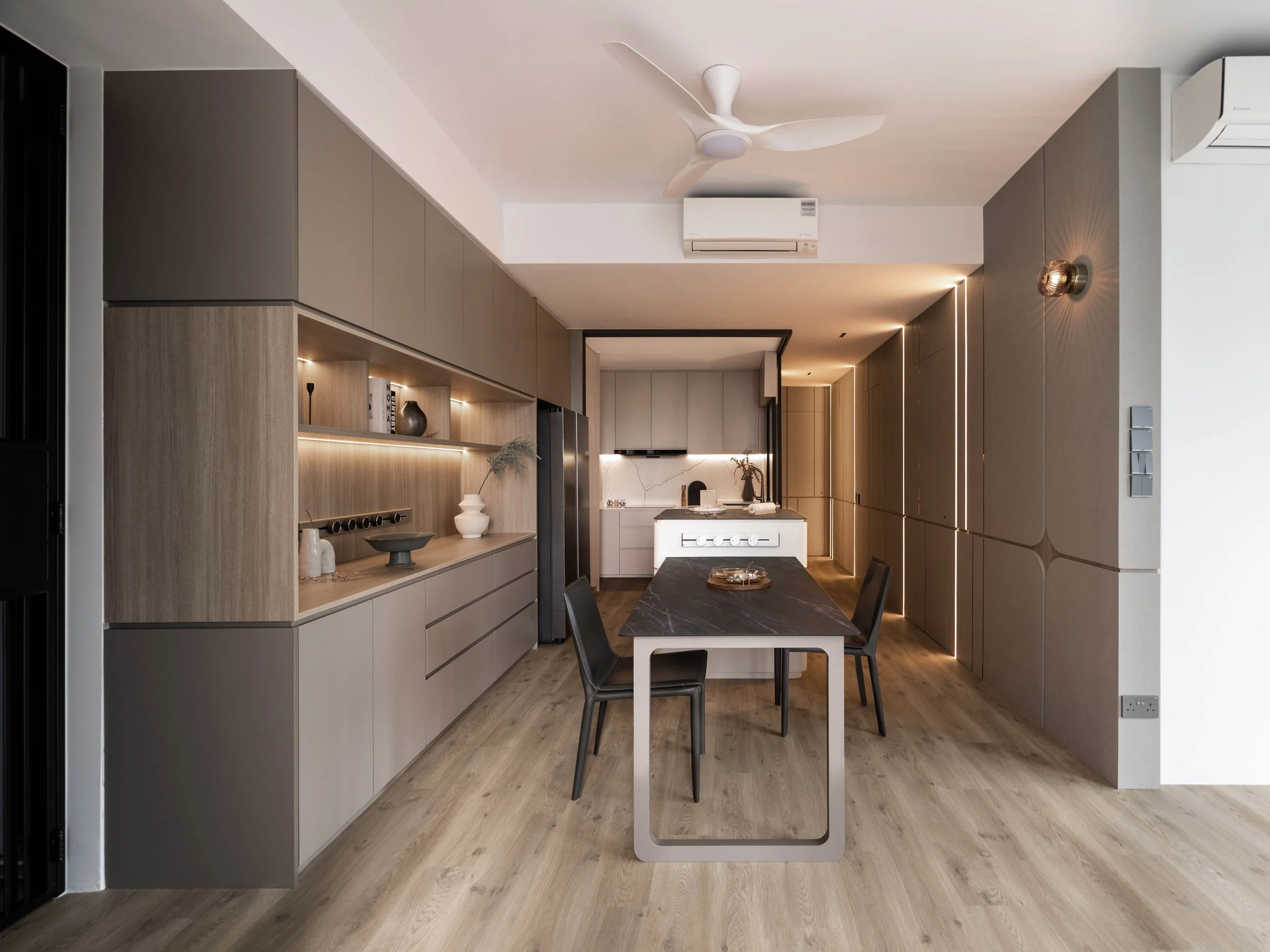
If you love to cook, a socket on the kitchen backsplash makes a lot of sense. Think about your kettle, your blender, your air fryer, all the small appliances that get used daily. Without a socket placed thoughtfully near your workspace, you end up reaching across the counter every time you want to use them, which gets old fast.
This is a small detail, but it's exactly the kind of thing that separates a kitchen that feels effortless from one that feels like it's fighting you. When we plan a kitchen layout, we’re already thinking about where your coffee machine or kettle will sit, long before the cabinets are even confirmed.
In the Home Office, Desk Height Beats Floor Level
Working from home has become the norm for a lot of our clients, and yet home office electrical planning is still one of the most overlooked parts of a renovation.
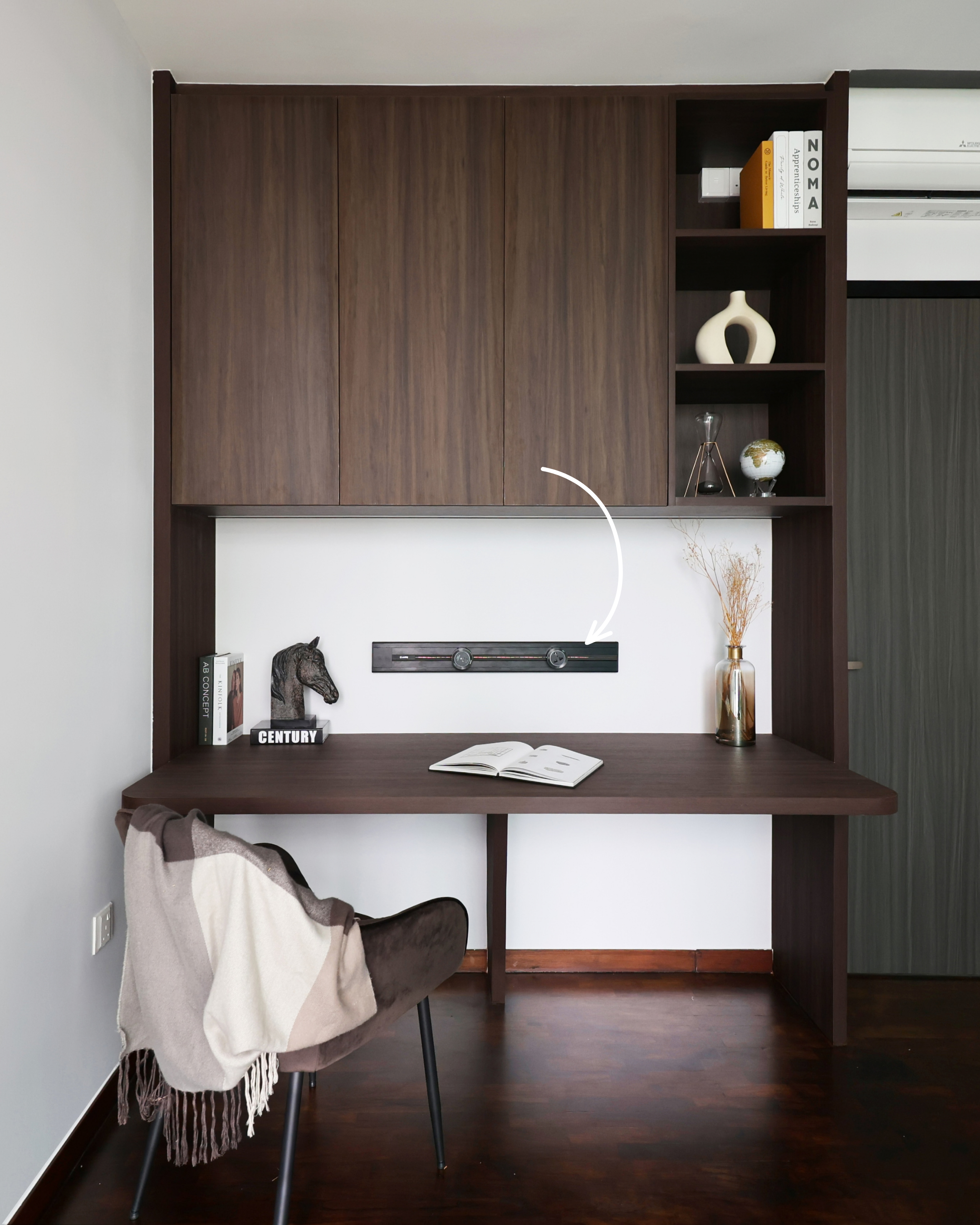
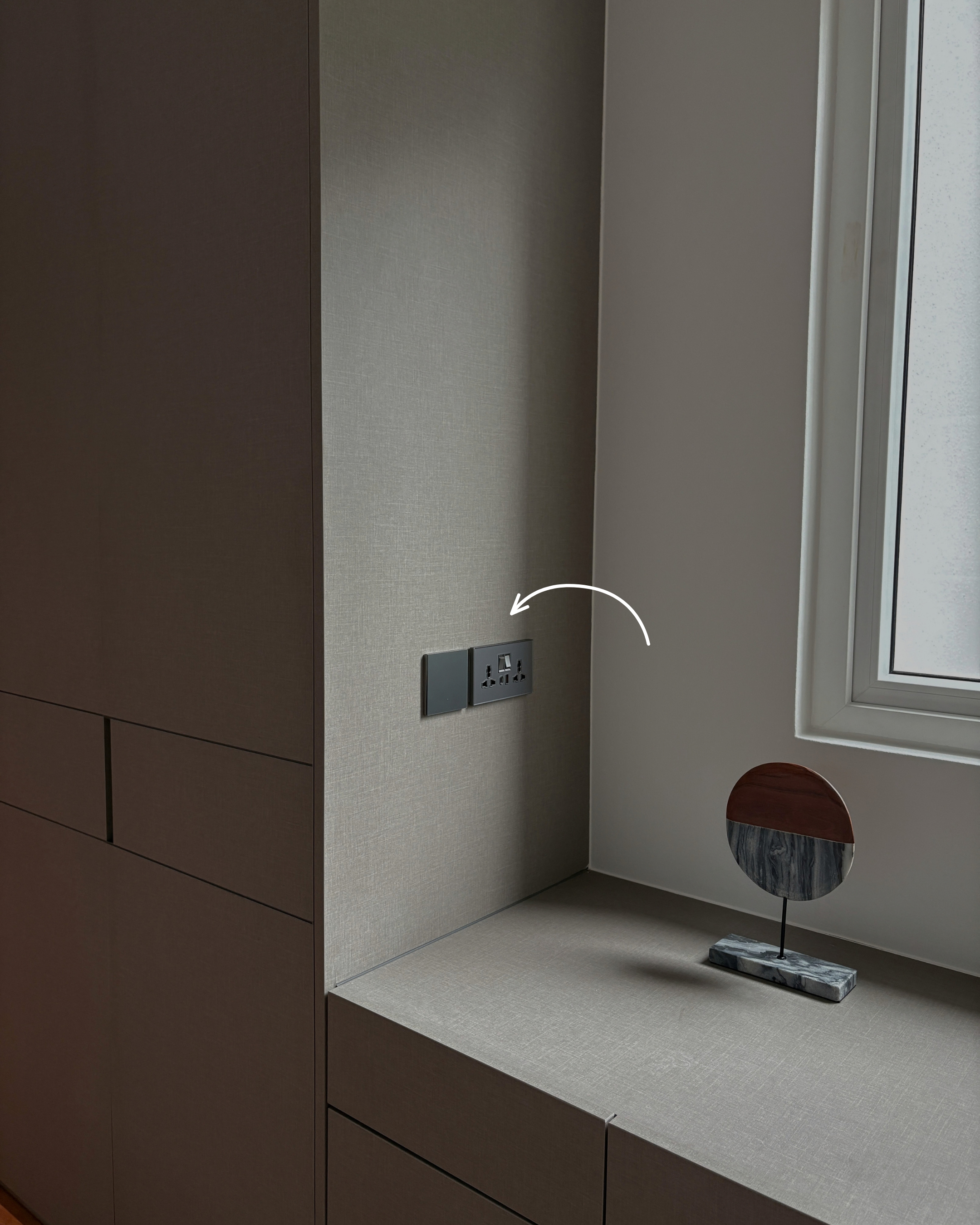
If you work from home, a socket at desk height is ideal, not down at floor level. Without it, you're stuck reaching under the table every time you need to charge something or plug in a monitor. It sounds like a minor inconvenience until you're doing it multiple times a day, every day, for years.
Near the Entryway, Plan Around Your Habits
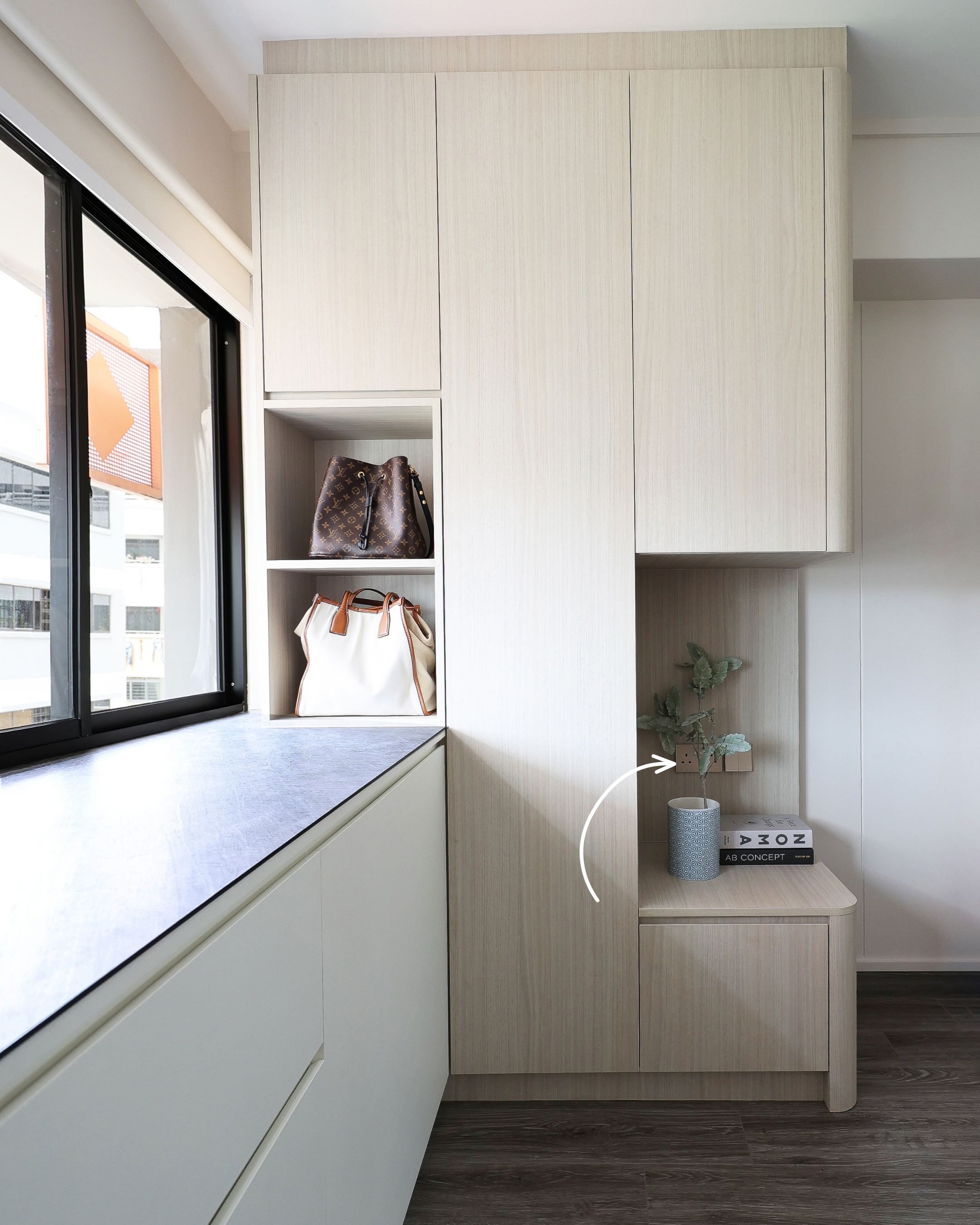
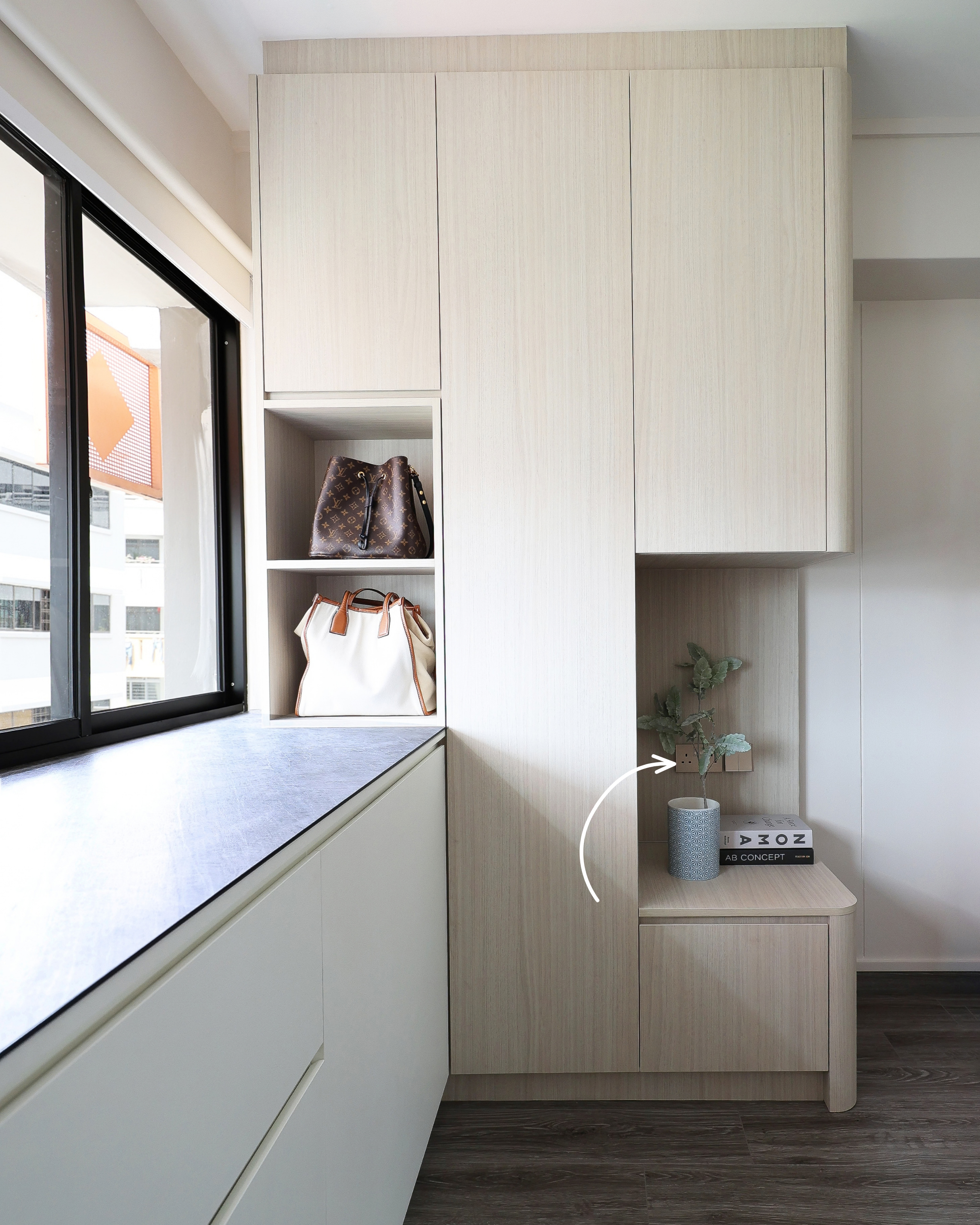
If you charge a robot vacuum or keep a console lamp by the door, adding a power point near the entryway is the best way to plan for it from the start.
We always ask clients these things, because it rarely comes up on its own. Do you have a robot vacuum that needs a charging dock? Do you like having a lamp on by the entrance in the evening? These are lifestyle details, not technical ones, and they're exactly the kind of thing your electrical plan should be built around.
In the Bathroom, Placement Matters as Much as Quantity
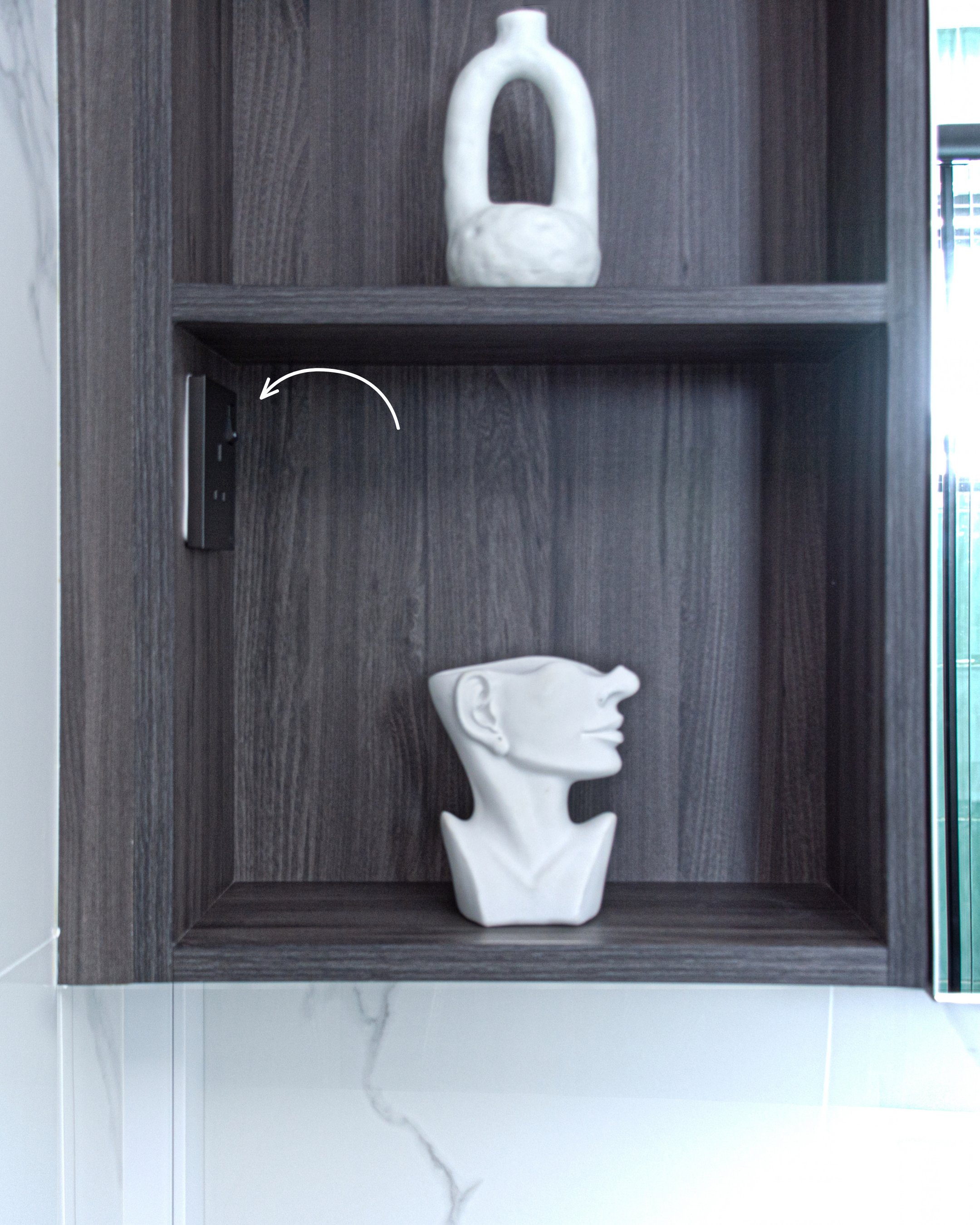
If you use a hairdryer or shaver daily, it's worth placing two points in the bathroom. But where you place them matters just as much as how many you have. Keep them away from the sink, where splashing happens, both for convenience and for safety.
This is also an area with actual regulation behind it in Singapore. Power points generally cannot be installed within wet areas of a bathroom under local electrical code, so this isn't just a design preference, it's something your contractor needs to plan around properly from the start.
Why This Conversation Needs to Happen Before Your Electrical Plan Is Drawn
I'll be honest with you, this is the part of the renovation process that's easiest to rush through. By the time we get to electrical planning, you're usually deep in decisions about tiles, cabinetry and finishes, and power points can feel like a small technical detail to tick off quickly.
But once your walls are closed up and your flooring is down, moving a power point is no longer a quick fix. It means reopening finished work, which is disruptive and costly. This is exactly why we ask our clients these lifestyle questions early, because the answers directly shape where every socket in your home ends up.
A Few Questions Worth Asking Yourself Before Your Next Design Meeting
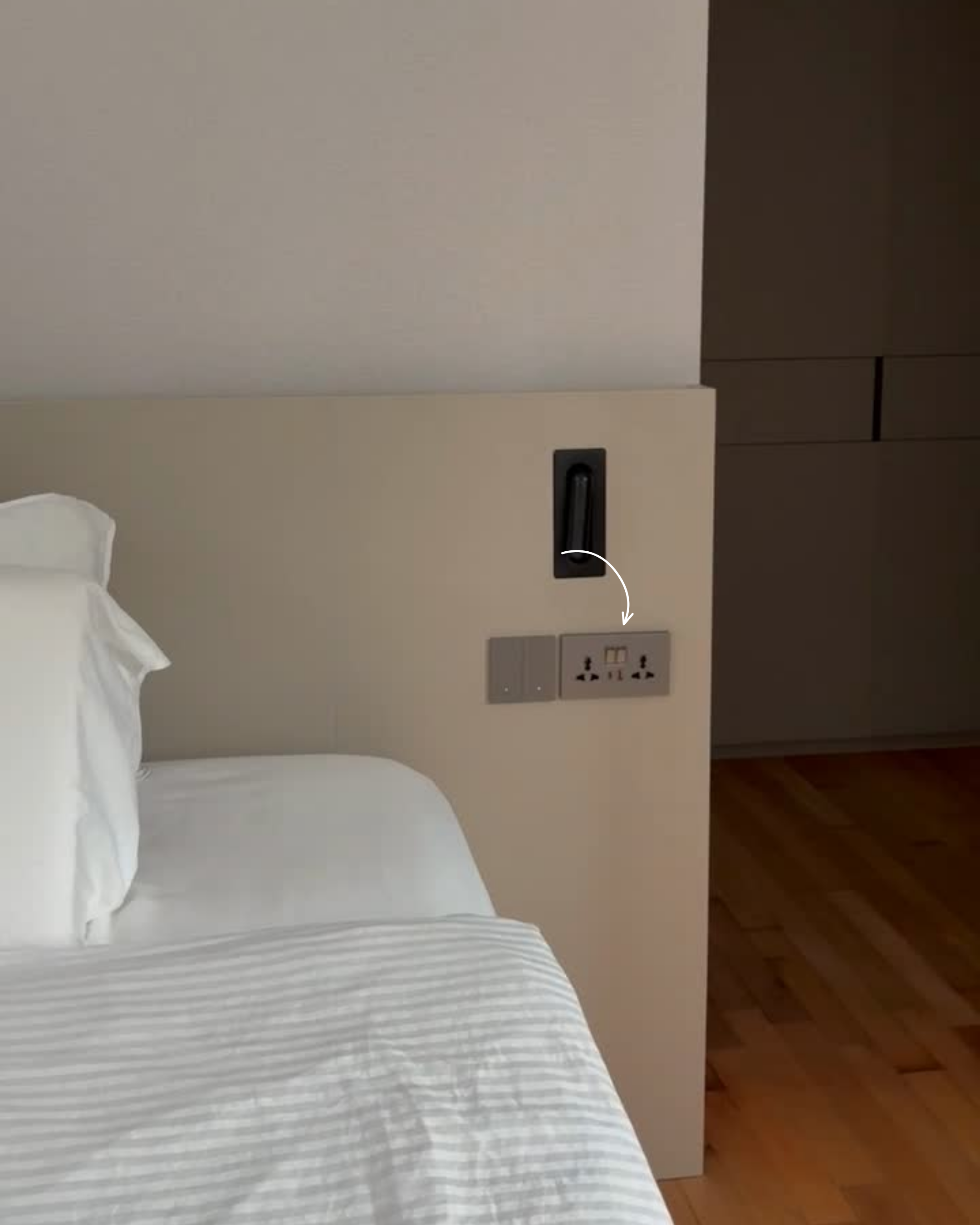
Before you sit down for your electrical planning discussion, it helps to walk through your own home in your head. Where do you actually charge your phone at night? Which small appliances do you reach for daily in the kitchen? Do you work from a desk, a couch, or somewhere in between? These details give your designer far more to work with than a generic list of rooms and sockets.
At the end of the day, a well planned electrical layout isn't about cramming in as many power points as possible. It's about understanding how you live and designing around that, quietly and practically, so you never have to think about it again once you move in.
So the next time someone tells you power points are a small detail, you'll know better. They're a layout decision, and they deserve the same attention as anything else in your renovation.
Recent Blogs

Ready to start your home renovation journey? Contact us today to kickstart the process with a team of professionals who will guide you every step of the way!