Most homeowners start a renovation with the exciting decisions: the colour palette, the flooring, the kitchen layout. These matter, but projects rarely run into trouble because of a poor design choice. They struggle because of what was never on the drawings.
Whether you are renovating an HDB flat, a condominium or a landed home, here are five things worth knowing before your first design meeting, and how an interior designer can help with each.
1. Approvals and Renovation Rules
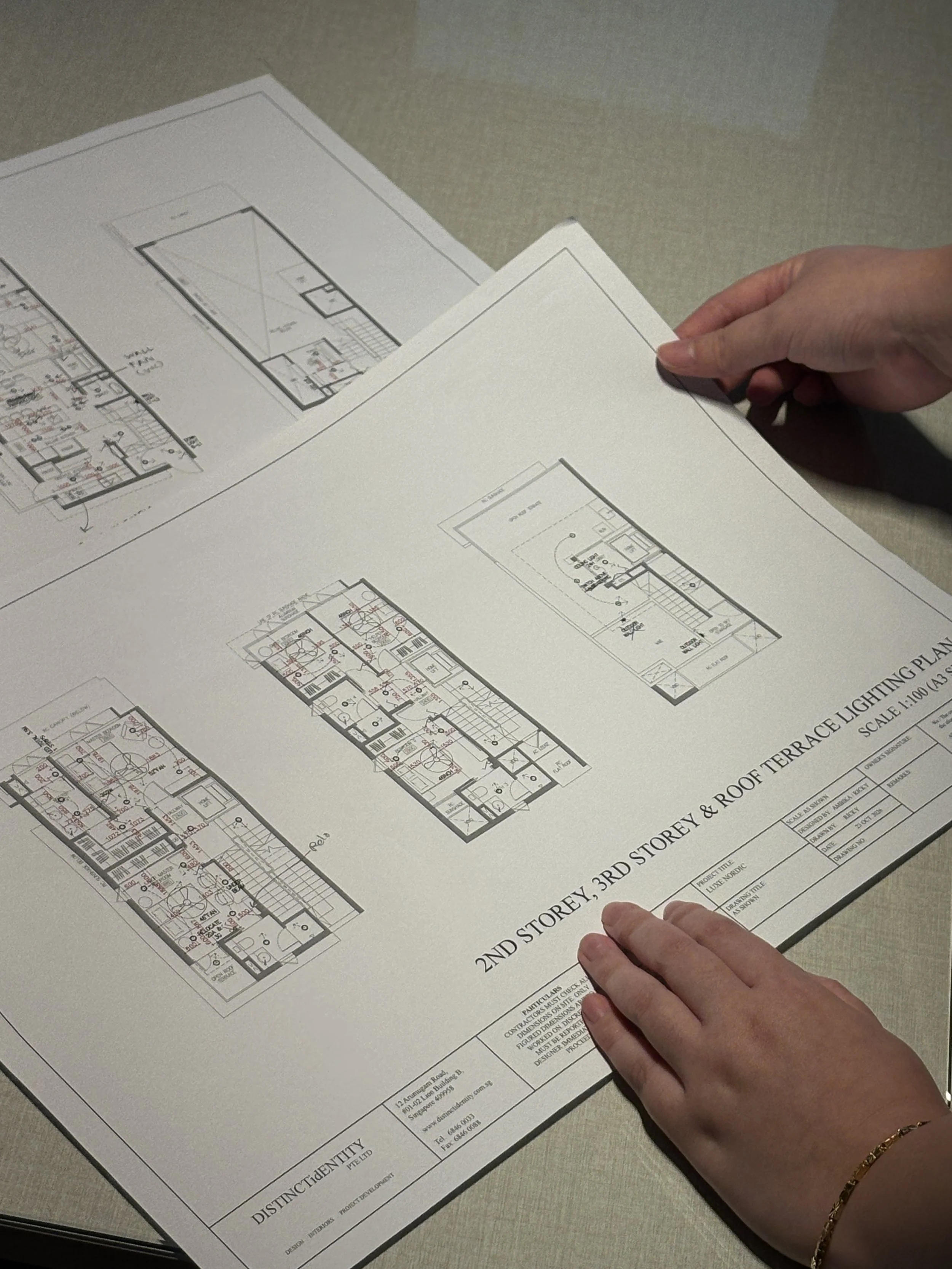
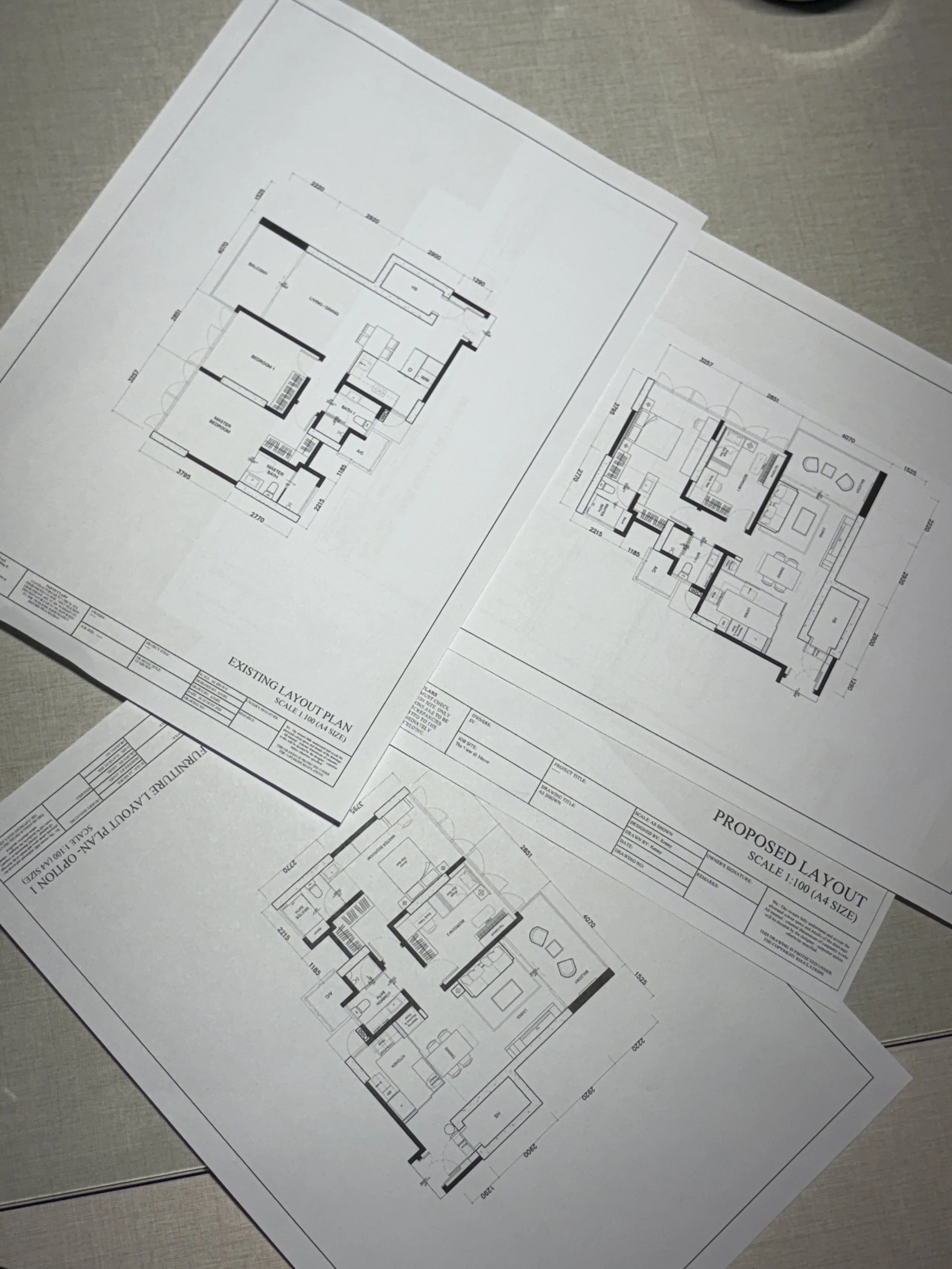
Every property type has its own requirements. HDB flats require registered contractors, and certain works, such as hacking, need permits. Condominiums typically require management approval, a renovation deposit and restricted working hours. These rules can shape the design itself, since a layout you love may need extra approval or may not be permitted at all.
On your end: Know your property type and keep your unit’s floor plan and any management guidelines on hand.
How a designer helps: A designer checks the rules for your property before the design is finalised, assists with the submissions, and factors approval time into the schedule.
2. What Is Behind Your Walls
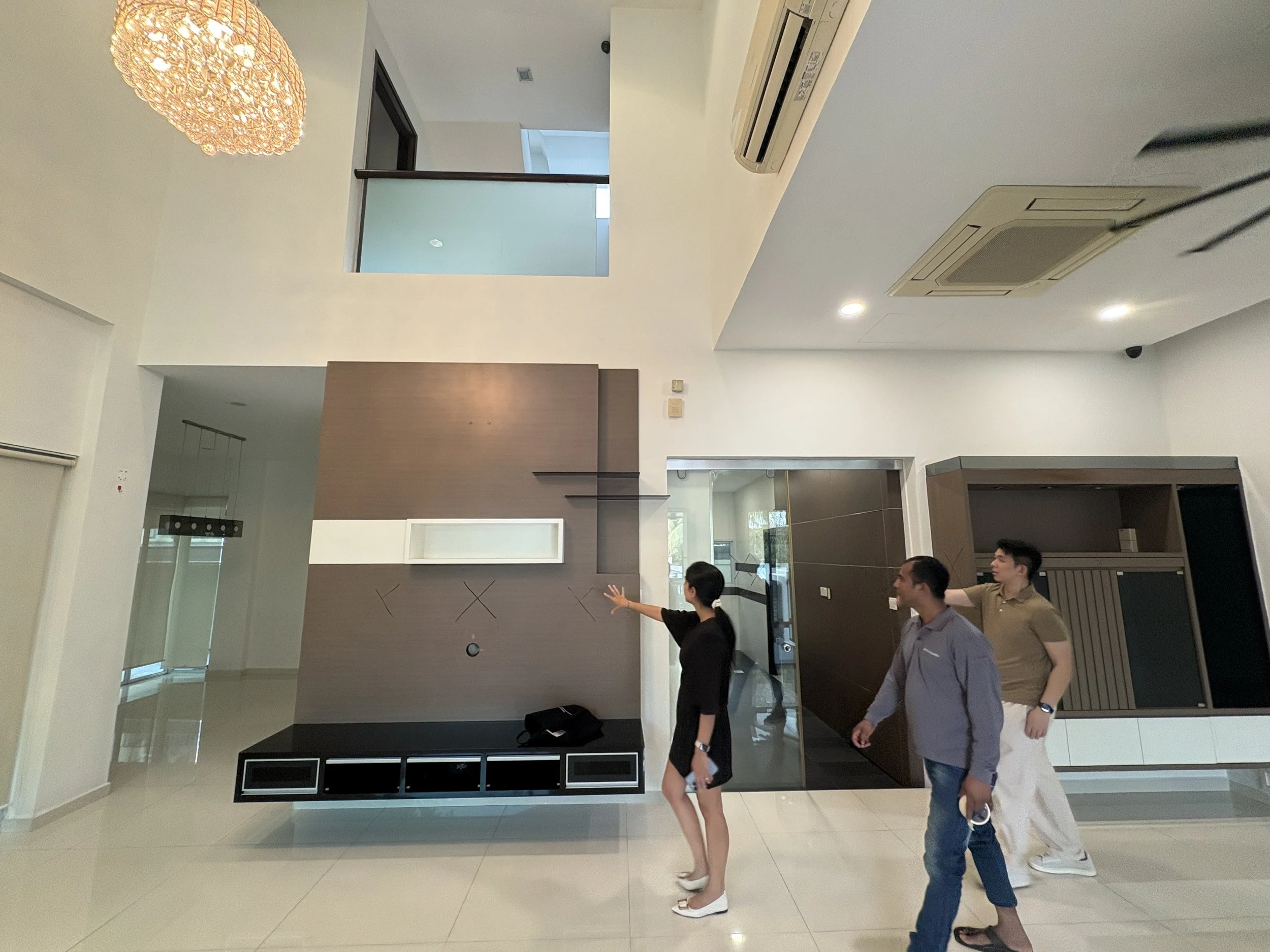
A good design is only as sound as the unit it is built on. In resale flats and older condominiums especially, ageing pipes, outdated wiring, weak waterproofing and uneven floors often reveal themselves only once work begins. When they surface late, they affect both your timeline and your budget.
On your end: Share what you know about the unit, including past leaks, repairs or issues from the previous owner.
How a designer helps: Inspecting the unit’s condition is one of the first things designers do. Looking at it early lets us plan the work and the budget realistically, before anything is committed.
3. Designing for Singapore’s Climate
A design that looks beautiful in a photograph may not perform well in our heat and humid country. Aircon placement and trunking should be planned alongside the ceiling and layout, not added at the end. Humidity also affects wardrobes, kitchen cabinetry and bathroom finishes. And a west-facing living room will feel very different from an east-facing one by mid-afternoon.
On your end: Think about when you use each room and how you want it to feel during the day.
How a designer helps: A designer considers your unit’s orientation, airflow and aircon layout from the start, and recommends materials that hold up well in our climate.
4. The Costs Outside the Quotation
The contractor’s quotation covers renovation works, but it is not the full cost of making your home livable. Aircon, curtains and blinds, loose furniture, appliances, debris disposal and moving costs often fall outside it. It is also wise to keep a contingency of around 10 to 15 percent, particularly for older units.
On your end: List what you still need to buy beyond the renovation, and decide on your appliances early, as they affect cabinet sizes, electrical points, ventilation and plumbing.
How a designer helps: Designers help you see the full picture from the start, including items that are easy to miss, and coordinates your appliance choices with the design so everything fits.
5. Life After Handover
Many homeowners assume they can move in the day the carpentry is installed. In reality, there is often a gap between “works completed” and “ready to live in.” Custom carpentry, tiles and fittings can have long lead times, and you will need to plan where to stay in the meantime. Once works are complete, a thorough defects check should follow, and your contract will state a defects liability period.
On your end: Keep your invoices, warranties and care instructions in one place, and note any issues in writing.
How a designer helps: A designer keeps track of the timeline and lead times, walks through the home with you before handover, and follows up on anything that needs rectifying.
Plan the Unseen, and the Rest Follows
A well-designed home is not just about how it looks on completion day. It is about how smoothly it gets there and how well it serves you for years afterward. You do not need to know every detail of the process, but understanding these five areas helps you ask the right questions and make confident decisions.
At DistinctIdentity, we are always happy to talk through your plans early, so you know what to expect before you commit. If you are considering a home renovation, feel free to get in touch.
Recent Blogs


Ready to start your home renovation journey? Contact us today to kickstart the process with a team of professionals who will guide you every step of the way!