5 Things Worth Spending More On During Your Home Renovation
Every renovation comes with the same quiet tension: you want it to look beautiful, but you also don't want to overspend on things that won't matter in five years. After years of sitting across the table from homeowners making exactly this decision, I can tell you the answer isn't "spend more on everything" or "save wherever you can." It's more specific than that.
Some parts of a home renovation are worth every extra dollar. Others really aren't. The difference usually comes down to three questions: How often will this be used? How disruptive is it to replace later? And how much will it cost to redo if you get it wrong the first time?
If you're currently planning a renovation, here are the five areas I consistently tell clients to prioritize along with the reasoning behind each one, so you can apply the same thinking to your own project.
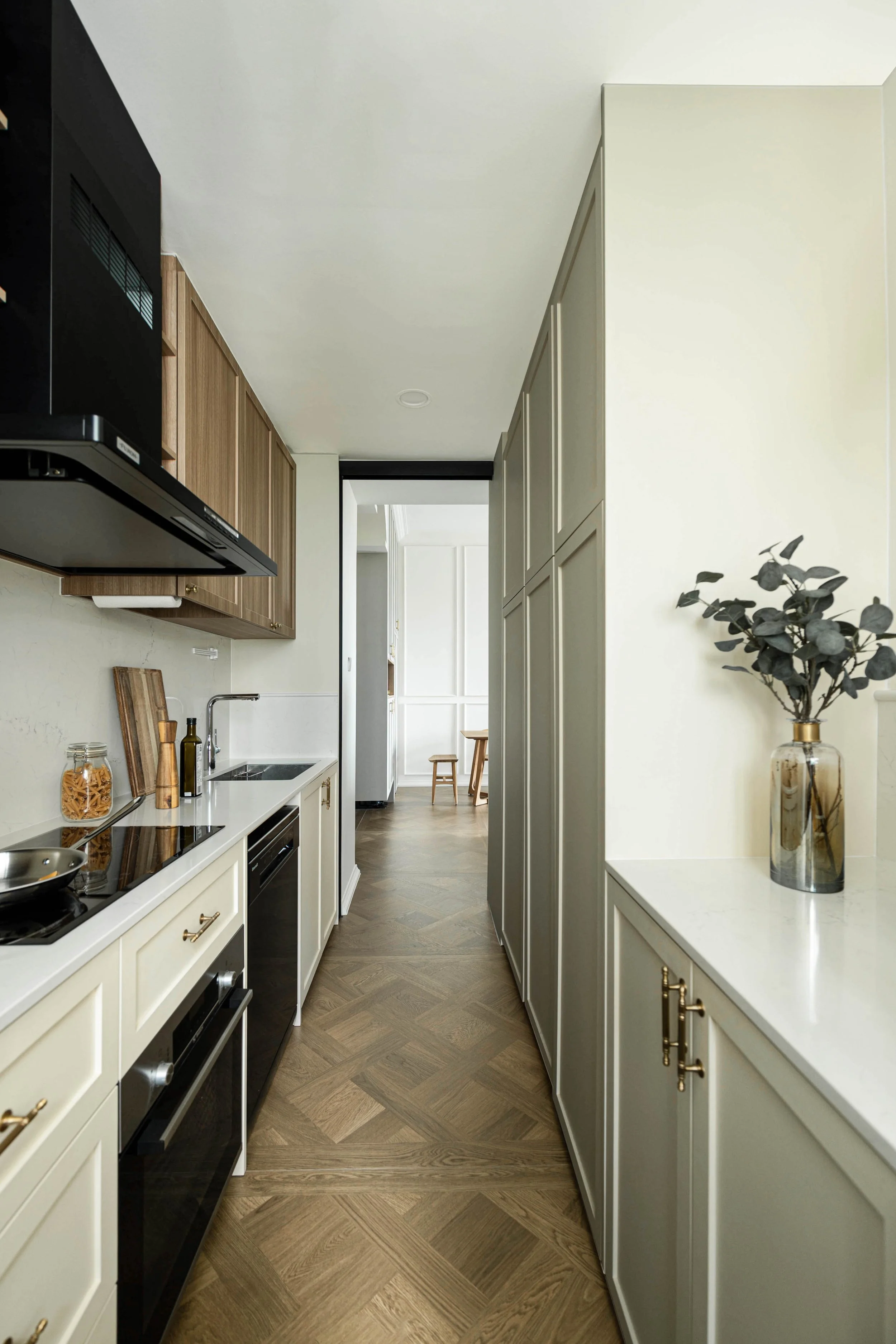
1. Kitchen Hardware
It's easy to overlook hinges and drawer runners when you're comparing cabinet finishes and countertop swatches. But hardware is one of the most physically active parts of any kitchen renovation. Every drawer you pull, every cabinet door you close, that's hardware doing the work, dozens of times a day, every day, for years.
Cheap hinges sag. Budget drawer runners stick, rattle, or fail to close smoothly within a couple of years. Upgrading to better-quality hardware during your renovation is a relatively small line item in the overall budget, but it directly affects how your kitchen feels to use every single day. It's also one of the more frustrating things to replace later, since it often means pulling cabinetry apart rather than a simple swap.

2. Kitchen Countertops
Your countertop isn't just a design feature, it's a daily work surface. You'll chop on it, set hot pans near it, spill on it, and clean it more than almost any other surface in your home.
This is exactly why choosing a countertop purely because it looks good under showroom lighting can backfire. Before committing, think through how the material performs under real conditions: Does it stain easily? Can it handle heat without discoloring? How does it scratch, and how do you maintain it long-term? A countertop that photographs beautifully but stains within six months isn't the win it appears to be on day one of your renovation.
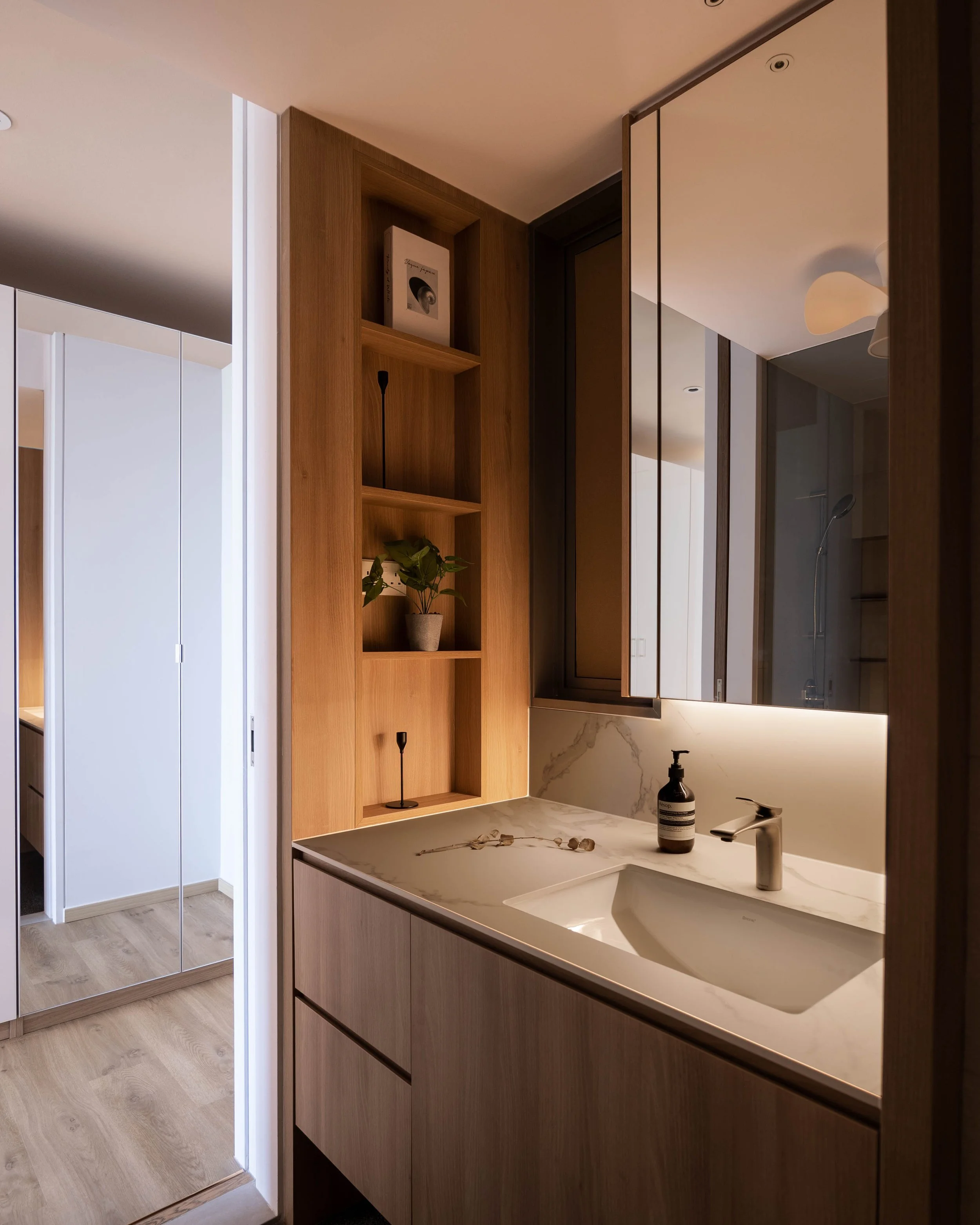
3. Bathroom Fittings
Taps, shower fittings, and sanitaryware get used constantly, which means quality issues surface quickly, a stiff mixer tap or a shower head with poor water pressure is something you'll notice every single day, not just occasionally.
There's also a practical reason to invest here: much of what supports these fittings is concealed within the walls and flooring. If something fails prematurely, fixing it isn't a quick swap, it can mean breaking into finished surfaces to access the plumbing behind them. That kind of rework is disruptive, messy, and expensive. Spending a bit more upfront on reliable fittings during your renovation is almost always cheaper than dealing with a failure two years in.
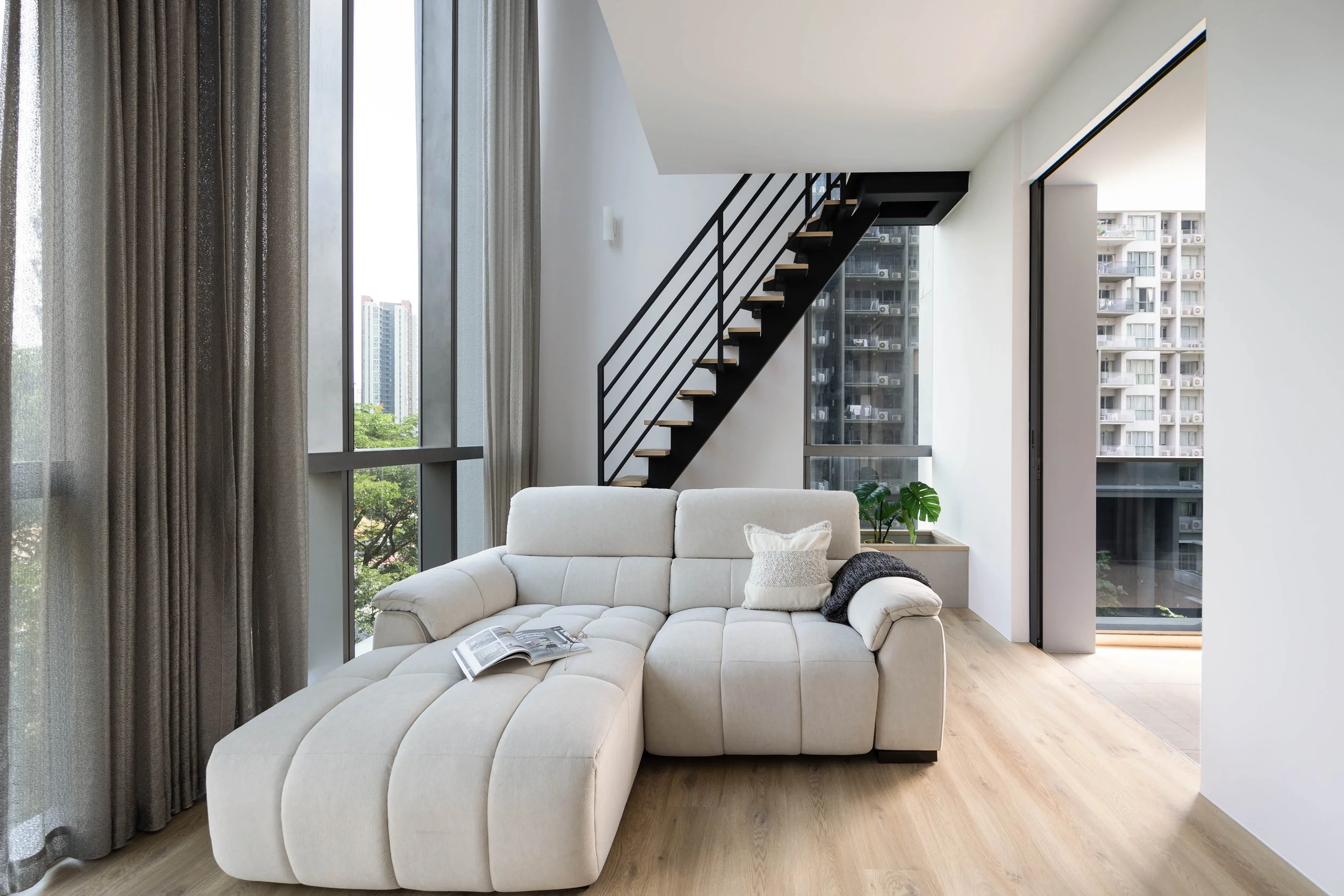
4. Flooring in High-Traffic Areas
Flooring is one of those renovation decisions where the "does it look nice?" question needs a partner: "how will it actually perform?"
High-traffic zones, living rooms, hallways, kitchens, anywhere with children or pets take far more punishment than a bedroom or guest room ever will. Scratches, moisture exposure, and daily foot traffic all add up. Before finalizing a flooring choice for these areas, ask how it handles spills, how it scratches, what the cleaning routine looks like, and how it wears over time. A floor that needs to be babied isn't practical for a home that's actually lived in.
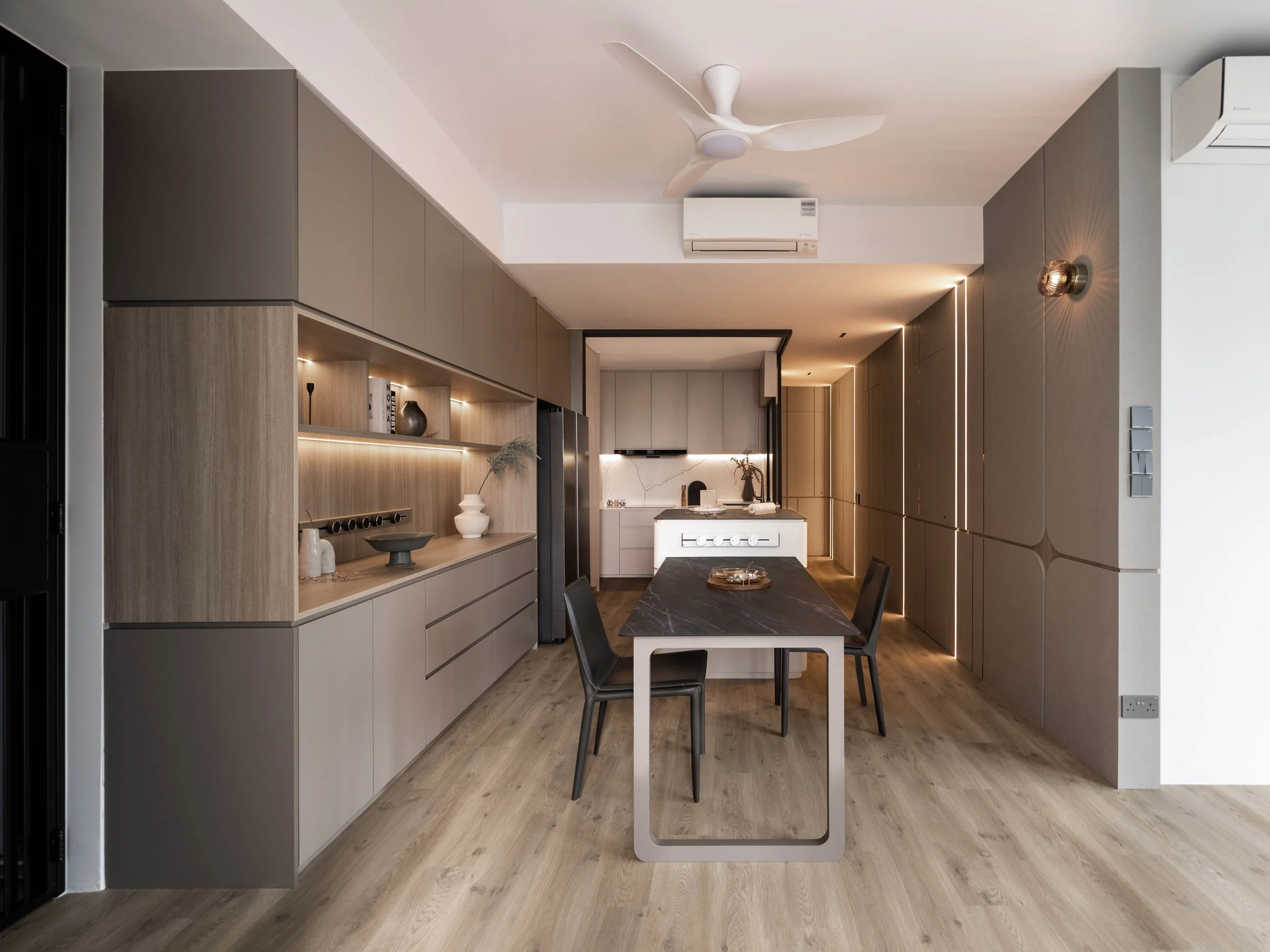
5. Lighting
Lighting is the one homeowners most consistently underestimate during a renovation and it's often the one with the biggest impact on how a home actually feels once you're living in it.
To be clear, this isn't necessarily about splurging on statement chandeliers or designer pendant lights. It's about investing in good-quality fittings and, just as importantly, proper lighting planning layering ambient, task, and accent lighting so each room functions the way it's meant to. A well-lit kitchen makes cooking easier. Proper task lighting in a bathroom makes getting ready easier. Thoughtful lighting throughout a home makes the whole space feel warmer and more considered, even if nothing else changes.
The Rule I Give Every Homeowner
If you take one thing away from this, let it be this simple filter for your renovation budget:
Spend more on things that are used frequently, difficult to replace, or expensive to redo later.
That's it. You don't need to upgrade every single finish or fixture in your home to get a renovation that feels considered and holds up well. You need to be intentional about where your money goes, putting it toward the elements that carry the daily weight of living in your home, rather than the ones that only matter for a photo.
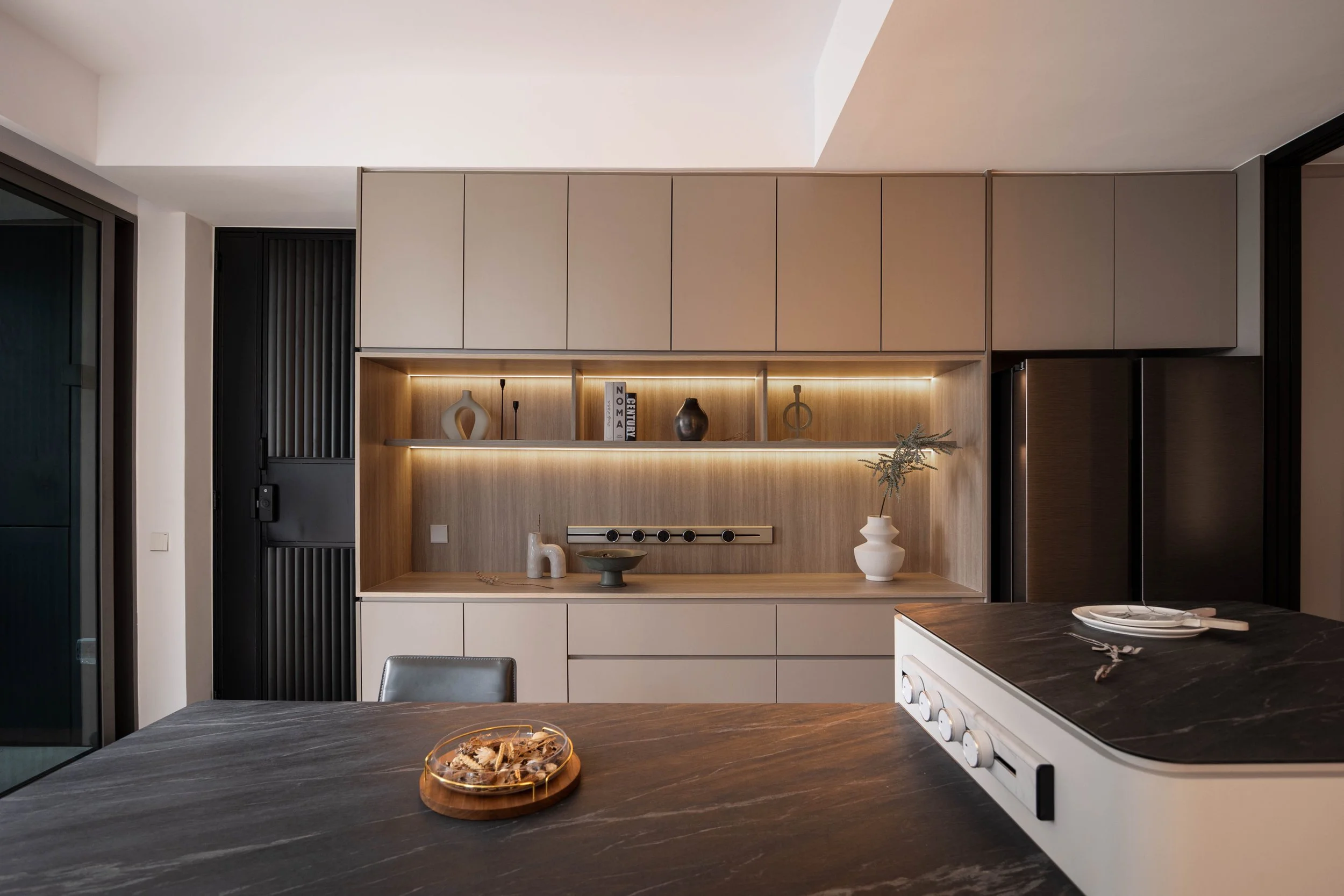
Renovate for How You Live, Not for the Showroom Moment
It's tempting to make renovation decisions based on how a space will look the day it's finished — in photos, to guests, in that first walkthrough. But a renovation isn't a one-day event. It's the backdrop to your everyday life for the next decade or more.
When you're weighing where to spend more and where to hold back, come back to that lens: what will you actually be living with, day after day, for years to come? That's where your renovation budget should work hardest.
Planning a renovation and not sure where your budget should go?
We'd love to help you think it through, reach out to our team for a personalized consultation.
Ready to start your home renovation journey? Contact us today to kickstart the process with a team of professionals who will guide you every step of the way!
Recent Blogs